

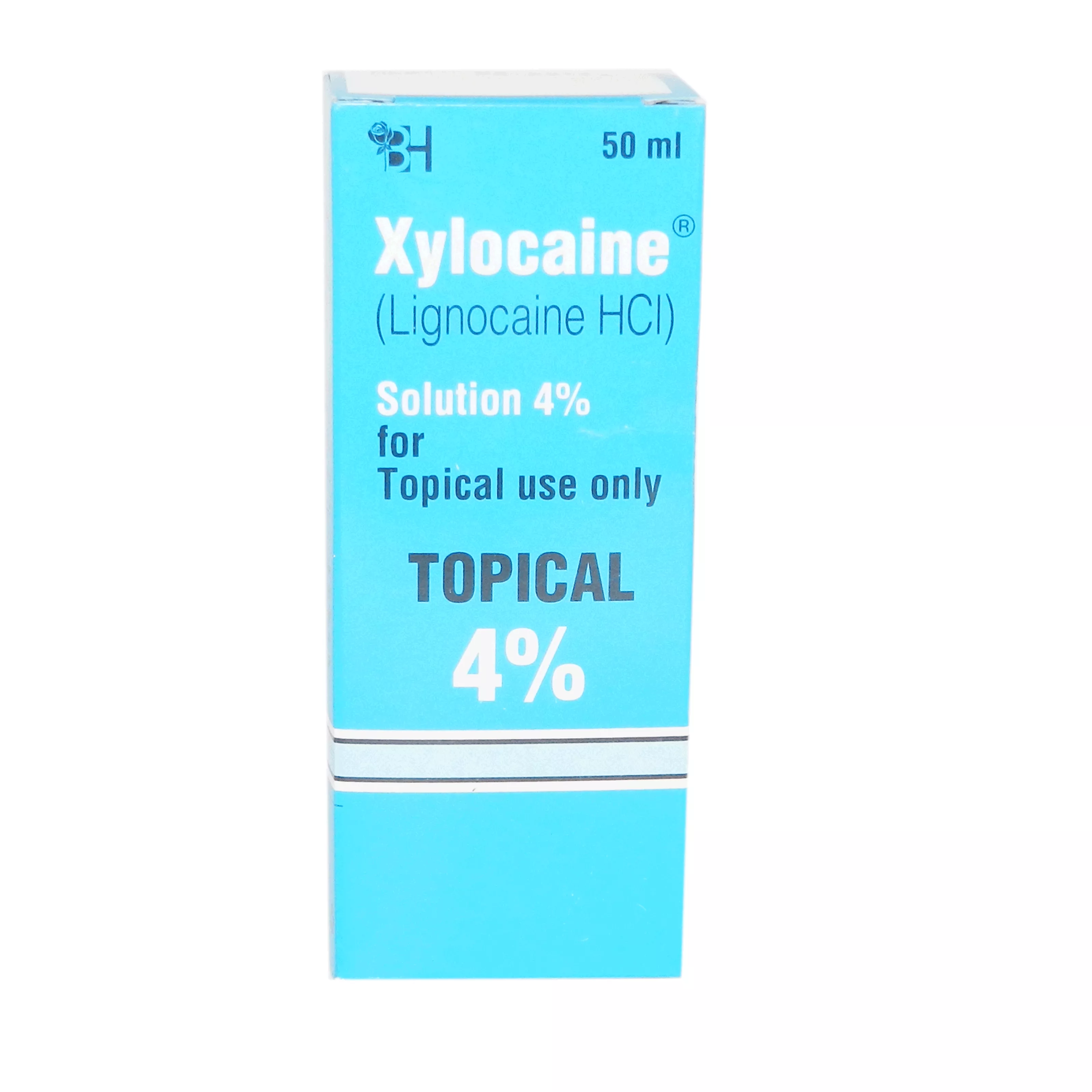
Buy XYLOCAINE 4% Solution 50ml Online At Best Price In Pakistan
Dosage
Missed Dose
Oral forms: Take the missed dose as soon as you remember, if you are on a dosing schedule. Usually, the injectable form is administered in a clinical/hospital set up by a qualified healthcare professional and the topical form has no dosing regimen, hence the likelihood of missing a dose is very low.
Overdose
Contact your doctor immediately if an overdose with this medicine is suspected. Symptoms of an overdose may include slowed or difficult breathing, change in heart rate, coma etc.
Interactions
Chlordiazepoxide (moderate)
Fluconazole (moderate)
Propranolol (moderate)
Tramadol (severe)
Amiodarone (moderate)
Sodium Nitrite (severe)
Prilocaine (severe)
Cimetidine (moderate)
Prescribes
Anesthesia
This medicine is used to numb a specific area of the body to reduce pain and discomfort caused by surgical or other invasive medical procedures. Both the injectable and topical forms are used for anesthesia.
Pain and irritation
This medicine is used to relieve pain, swelling and discomfort associated with conditions like sunburn, insect bites, minor cuts, scratches, and burns.
Hemorrhoids
This medicine is used to relieve pain, itching and discomfort caused by hemorrhoids.
Postherpetic Neuralgia
This medicine is used to relieve pain and burning sensation that lasts after the blisters or shingles have disappeared.
Cardiac arrythmia
This medicine is used for the management of heart rhythm disorders likely to occur during heart surgeries or a heart attack.
Gastrointestinal tract examination
This medicine is also used as a numbing medication before procedures like Endotracheal intubation.
Labor pain and discomfort
This medicine is also used during a spinal block to reduce pain and discomfort caused due to labor contractions.
Nerve block to relieve pain
This medicine is also injected into specific regions of the spinal cord to treat pains associated with spasm of blood vessels, surgical procedures in the neck or groin area, etc.
Side Effects
Flushing or redness of skin
Injection site bruising and red coloration
Nausea or Vomiting
Cracked or scaly skin
Fast heartbeat (severe)
Difficulty in breathing (severe)
Join pain and swelling (severe)
Swelling of face, lips, eyelids, tongue, hands and feet (severe)
Blurred vision
Chills or cold sweats (severe)
Dizziness when getting up suddenly from a sitting position
Shaking and trembling of arms and feet
Unusual tiredness and weakness
Unpleasant aftertaste
Ringing or buzzing in the ears
Decrease/loss of hearing (severe)
Unusual thirst
Convulsions (seizures) (severe)
Warnings
Other medicines
Malignant hyperthermia
Eye/Ear irritation
Teething problems
Topical anesthetics and food
Liver impairment
Kidney impairment
Heart disease
Monitoring of ECG
Respiratory Depression
Drowsiness and impairment of thinking
Pregnancy
Breast-feeding
When Not To Use
Allergy
This medicine is not recommended for use if you have a known history of allergy to XYLOCAINE 4% Solution 50ml or any other amide type local anesthetics.
Adams Stokes syndrome
This medicine is not recommended for use in patients having repeated episodes of fainting due to periodic onset and offset of blockage of impulses in the heart.
Heart block
This medicine is not recommended for use in patients having a secondary or tertiary degree of heart block and no pacemaker is implanted to correct the defect.
Wolff Parkinson White syndrome
This medicine is not recommended for use if you have this rare genetic condition that affects the conduction of impulses in the heart.


We want to give you 10% discount for your first order,
Use
discount code at checkout
